Master Your Routine with a Daily Habits Tracker
The Visual Blueprint for Consistency
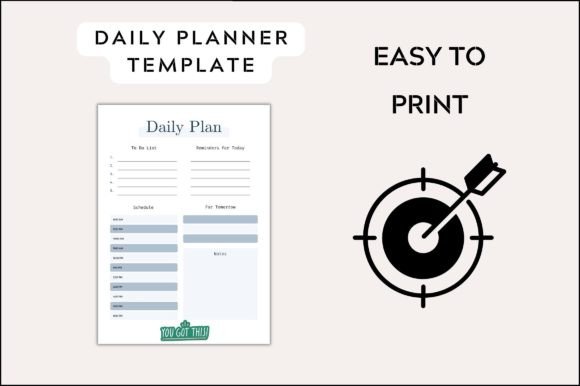
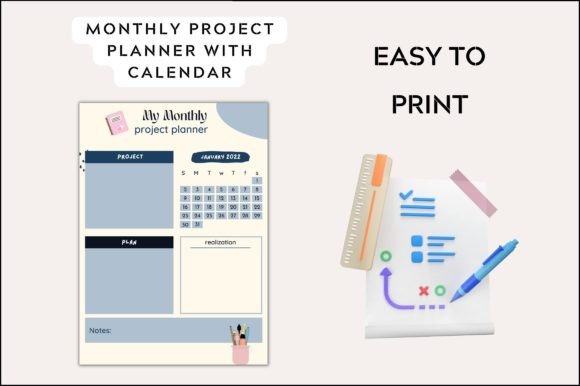
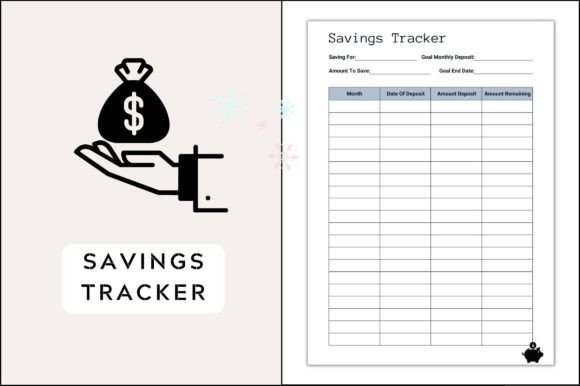
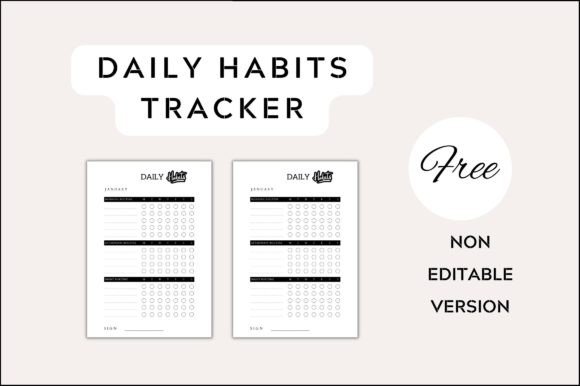
A Daily Habits Tracker is more than just a checklist; it is a visual contract with yourself. When we look at the best examples of this design asset, we see a specific aesthetic language emerging. Typically, a high-quality editable daily habits tracker features a clean grid structure, relying heavily on negative space to prevent visual clutter. The personality of these templates is usually structured yet approachable—balancing the rigidity of a calendar with the flexibility of a personal journal.
Visually, these trackers often utilize sans serif fonts for headers to maintain a modern, clean look, while sometimes incorporating handwritten font elements for annotations to add a human touch. The appeal lies in the hierarchy: the "What’s Included" sections are clearly defined, and the action items are distinct. You will often find a blend of minimalism and functional design, ensuring that the user’s eye is drawn immediately to the task at hand without distraction. The style is functional art—designed to be used, not just admired.
Strategic Applications for Creative Professionals
As a designer or marketer, you know that consistency is the bedrock of brand identity. This is where the Daily Habits Tracker transcends personal use and becomes a commercial asset. For entrepreneurs and small business owners, these trackers are perfect for content calendars. Imagine replacing "Drink Water" with "Post to Instagram" or "Check Analytics." Because the templates are editable via tools like Canva, you can adapt the typography to match your specific brand identity.
For publishers and bloggers, a customized tracker serves as an editorial schedule. By adjusting the background color and font to align with your publication’s style guide, you create a cohesive piece of editorial design. Furthermore, these assets are invaluable for packaging design workflows. A tracker can help a crafter monitor the production stages of physical goods. The versatility is key; whether you are managing a web design project or planning social media graphics, the underlying structure of a habit tracker keeps the chaos of creativity in order.
Customization: From Template to Brand Asset
The true power of a downloadable template lies in its malleability. When you download a PNG, SVG, JPG, or PDF, you are not just getting a static image; you are getting a foundation. To make this asset work for you, consider the following practical steps:
- Evaluate the Typography: Look at the default typeface. If the template uses a serif font, ask if that matches the tone of your project. A serif conveys tradition and authority, while a modern typography approach using a geometric sans serif suggests efficiency and innovation. Don't be afraid to swap these out.
- Color Psychology: The ability to edit the BG color (background color) is crucial. If you are creating a tracker for a high-energy fitness brand, vibrant reds or oranges might work. For a meditation app or a mindfulness blog, muted earth tones or pastels are more appropriate. This customization ensures the tracker feels native to your environment.
- Font Pairing: If you are designing a cover page for your tracker, practice font pairing. Combine a bold display font for the title "Daily Habits" with a highly legible body font for the list items. This creates a strong visual hierarchy, making the document easy to scan.
Readability and User Experience
When creating a tool meant to be used daily, readability is paramount. A premium font choice isn't just about aesthetics; it's about function. If the text is too small or the tracking boxes are too tight, the user will abandon the habit. When resizing the template to A4 or other standard sizes, ensure that the line spacing (leading) remains comfortable.
For those using these trackers in a digital capacity, such as on an iPad, the "elements" and "images" can be interactive touchpoints. However, for print, clarity is king. Avoid overly decorative script fonts for the actual habit list, as they can cause eye strain over time. Instead, use a creative font style for section headers and a clean, legible font for the data entry points. This balance ensures that your Daily Habits Tracker is not only a beautiful piece of design but a highly effective tool for productivity.
Finalizing Your Design
Once you have customized your tracker—resizing it, adjusting the colors, and perfecting the font selection—you have created a valuable design asset. This is no longer just a generic template; it is a reflection of your workflow or your brand's visual language. Whether you are a content creator planning a video series or a hobbyist tracking reading goals, the investment of a few minutes in customization pays dividends in organization.
Remember to save your work in the appropriate format. A PDF is ideal for high-quality printing, preserving your typography choices exactly as intended. An SVG or PNG is better if you plan to overlay the tracker onto other digital designs. By treating your Daily Habits Tracker with the same design rigor you would apply to a logo design or a major campaign, you elevate the mundane task of checking boxes into a satisfying creative ritual. This approach turns a simple list into a powerful engine for personal and professional growth.