Master Your Money: The Financial Goals Worksheet
Most of us have a vague idea of where we want to be financially in five years, or perhaps a specific dream like owning a home or retiring early. The problem isn't a lack of ambition; it's the gap between that ambition and a concrete plan. We know we should save more or spend less, but without a clear system, these intentions remain abstract. This is where a structured approach transforms wishful thinking into actionable strategy. A well-designed Financial Goals Worksheet acts as your personal roadmap, turning scattered financial thoughts into a coherent, trackable plan. It’s not just a spreadsheet; it’s a framework for financial clarity.
Anatomy of an Effective Financial Planning Tool
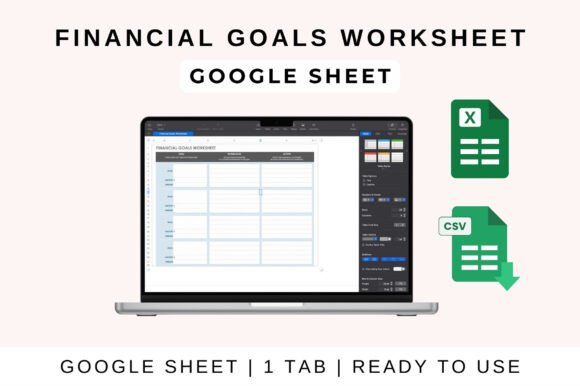
At its core, a Financial Goals Worksheet is built on simplicity and function. Think of it as the "sans serif font" of financial tools—clean, readable, and highly functional without unnecessary decoration. Its visual personality is one of calm organization. Typically, you’ll find a clean grid layout with clearly labeled columns: Goal Description, Target Amount, Deadline, Monthly Contribution, and Progress. This structure creates a natural visual hierarchy, guiding your eye from the big-picture goal down to the monthly steps needed to get there. The style is professional yet approachable, using ample white space and subtle color coding (like green for progress made) to make data digestible at a glance. It’s a design asset that prioritizes usability, much like a well-crafted brand identity system.
The real power, however, lies in its auto-calculations. This is the "premium font" feature that elevates it from a simple list. When you input your target amount and deadline, the worksheet can automatically calculate the required monthly savings. As you log your actual contributions, progress bars or percentage indicators update in real-time. This automated feedback loop is crucial—it provides the immediate, visual reinforcement that keeps you motivated. It transforms the abstract concept of "saving for a vacation" into a tangible chart showing you’re 40% of the way there. This kind of modern typography for numbers—where data is presented with clarity and immediate context—makes complex financial tracking feel manageable and even rewarding.
Where This System Truly Shines: Real-World Applications
The versatility of a Financial Goals Worksheet is where it demonstrates its greatest value, functioning across numerous personal and professional scenarios. For the entrepreneur or small business owner, it’s an indispensable tool for cash flow management. You can set goals for quarterly revenue targets, equipment investments, or building an emergency business fund. The ability to share and collaborate in real-time via Google Sheets makes it perfect for aligning a team or updating a business partner. For the content creator or freelancer, it helps smooth out irregular income by planning for taxes, software subscriptions, and personal salary goals.
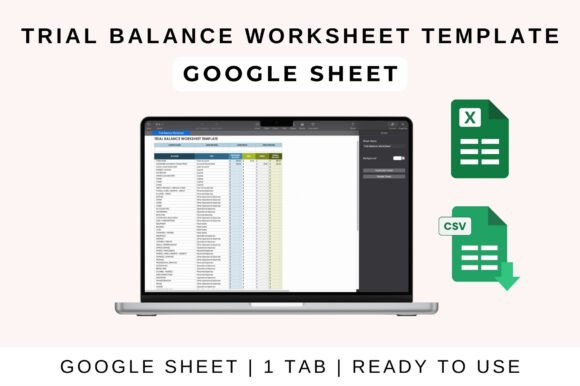
On the personal side, its applications are equally powerful. Families can use it to plan for a down payment, a child’s education, or a debt-free future. The clear progress tracking turns a daunting multi-year goal into a series of small, achievable monthly victories. Imagine using it to plan a wedding or a major home renovation; the ability to see exactly how each monthly contribution moves the needle reduces stress and prevents overspending. It’s also an excellent educational tool for young adults learning to budget, providing a structured yet flexible way to practice financial literacy. The worksheet’s compatibility with Excel and Apple Numbers ensures it fits seamlessly into anyone’s existing workflow, whether they’re a designer on a Mac or a marketer on a PC.
Integrating Financial Strategy into Your Creative Workflow
For professionals in creative fields—designers, marketers, bloggers—financial planning often takes a backseat to project work. Yet, treating your finances with the same strategic rigor you apply to a logo design or editorial design project is what builds sustainable success. Using a Financial Goals Worksheet is akin to developing a font pairing for a brand; you’re creating a system of complementary elements (income, expenses, goals) that work together harmoniously. The worksheet becomes a key part of your professional design assets, not for creating visuals, but for creating stability.
Practically speaking, this means you can make smarter decisions. Want to invest in that new premium font license or a web design course? Your worksheet shows if you’re on track with your quarterly savings goal and if this expense fits within your budget. Planning a packaging design overhaul for your product line? You can allocate funds from your "Business Investment" goal column. It brings the same level of intentionality to your finances that you bring to your social media graphics or brand identity work. The process encourages you to review your goals regularly, fostering a habit of financial mindfulness that protects your creative business from unexpected downturns and empowers you to invest in growth confidently.
Ultimately, a Financial Goals Worksheet is more than a digital template; it’s a commitment to taking control. Its clean, user-friendly format removes the intimidation from financial planning, making it as accessible as opening a new document. By providing structure, automation, and clear visualization, it bridges the gap between your financial aspirations and your daily actions. Whether you’re aiming to eliminate debt, build an investment portfolio, or simply create a buffer of peace of mind, this tool provides the consistent framework needed to make it happen. Start by defining one clear goal, input the numbers, and let the system do the heavy lifting. Your future self will thank you for the clarity and discipline you build today.