Real Estate Calendar Template: Organize Your Brand Year-Round
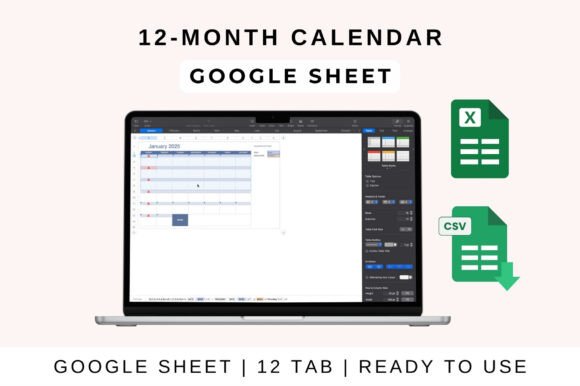
Staying top-of-mind with clients requires more than just a successful closing; it demands consistent, professional visibility throughout the year. For real estate professionals, a Real Estate Calendar Template is not merely a scheduling tool; it is a foundational piece of brand identity infrastructure. Unlike generic office calendars, these templates are designed specifically for the industry, blending functional scheduling with high-impact marketing space. The visual personality of a well-designed template strikes a balance between authority and approachability. It uses clean lines and strategic white space to ensure that critical dates—such as open houses or market updates—stand out without creating visual clutter. The overall appeal lies in its utility; it transforms a standard desk accessory into a powerful touchpoint that reinforces your expertise every time a client glances at their wall or desk.
Visual Hierarchy and Strategic Layouts
The efficacy of a Real Estate Calendar Template hinges on its visual hierarchy. In practical terms, this means the designer has already solved the problem of information overload. A strong template utilizes modern typography principles to separate the days of the week from promotional content. You will often see a mix of sans serif fonts for the date grids to ensure maximum readability at a glance, paired with a display font or serif font for headers to convey a sense of tradition and stability. This typographic contrast is crucial; it guides the eye naturally from the functional calendar dates to the branded elements, such as your logo or headshot. When evaluating the visual style, look for how the template manages negative space. A cluttered calendar is rarely used, whereas a template with designated zones for "Market Tip of the Month" or "Featured Listing" allows your content to breathe, increasing the likelihood that the piece will remain in a client's home for the full twelve months.
Practical Applications Beyond the Wall
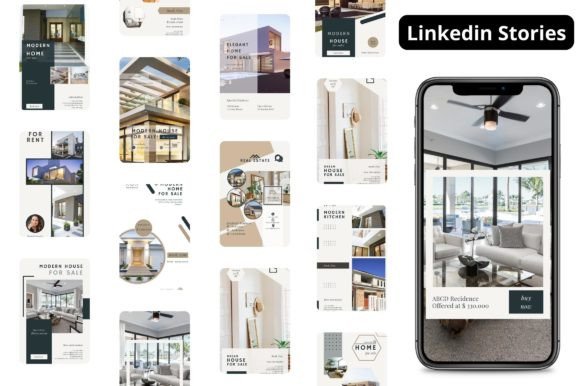
While the primary function is chronological, the versatility of a digital download allows for expansive marketing use. Because these templates are editable in tools like Canva, they serve as more than just print design assets. You can repurpose the monthly layouts as social media graphics. For instance, a high-resolution export of a calendar page can become an Instagram story highlighting "Key Dates in the Local Market." Furthermore, the inclusion of QR code templates bridges the gap between physical and digital. By embedding a QR code that links to your property listings or a client portal, you turn a static piece of paper into an interactive gateway. This integration of modern typography and technology ensures your brand strategy remains cohesive across both your digital and print ecosystems.
Customization and Brand Consistency
A generic calendar does little for brand recognition. The true value of a premium Real Estate Calendar Template is the ability to enforce brand consistency. When you download an editable file, you gain control over the specific color palette, allowing you to match the hex codes to your brokerage’s guidelines. This level of customization elevates the final product from a hobbyist project to professional design. Pay attention to the font pairing options provided. If the template uses a script font for accents, ensure it aligns with your agency's voice—is it formal and luxurious, or friendly and casual? The ability to resize the template is also a significant advantage. Whether you need an A4 standard for mailing or a letter-size for a desk blotter, the vector-based nature of these design assets ensures that your typography remains crisp and legible at any scale. Always remember to swap out the placeholder images with high-resolution photography of your actual listings or local area; this personal touch is what transforms a template into a genuine connection tool.
Evaluating Fit and Finalizing Your Design
Before finalizing your purchase or download, scrutinize the technical specifications. Check the commercial licensing terms to ensure you are permitted to distribute the printed calendars to clients without copyright infringement. When reviewing the file formats, verify that the export settings support high-DPI printing to avoid pixelation. From a graphic design perspective, test the readability of the dates against the background texture. A busy background image can render a calendar useless if the numbers disappear. Use the editing tools to adjust the opacity of background elements or switch to a sans serif typeface with a heavier weight for better contrast. Ultimately, the goal is to produce a tool that clients find useful enough to keep visible all year, ensuring your contact information is always within arm's reach. This thoughtful approach to editorial design separates a forgettable flyer from a lasting brand identity asset.